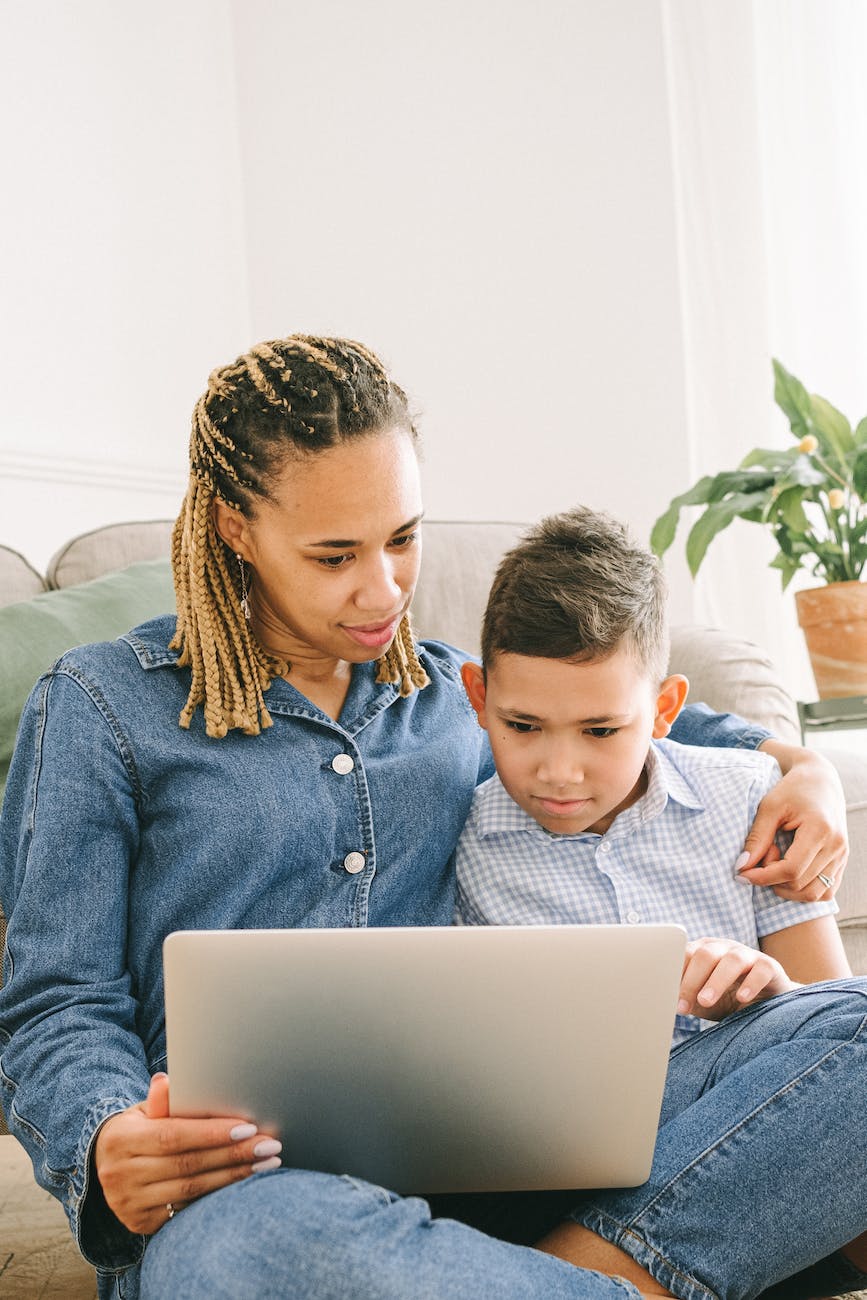
When I first started homeschooling, I was full of enthusiasm, determined to give my kids the best education possible. I envisioned days filled with hands-on learning, engaging discussions, and a seamless balance between academics and life. However, as time went on, I quickly realized that without intentional planning and boundaries, burnout was inevitable. Finding balance became my priority—not just for my children, but for myself as well.
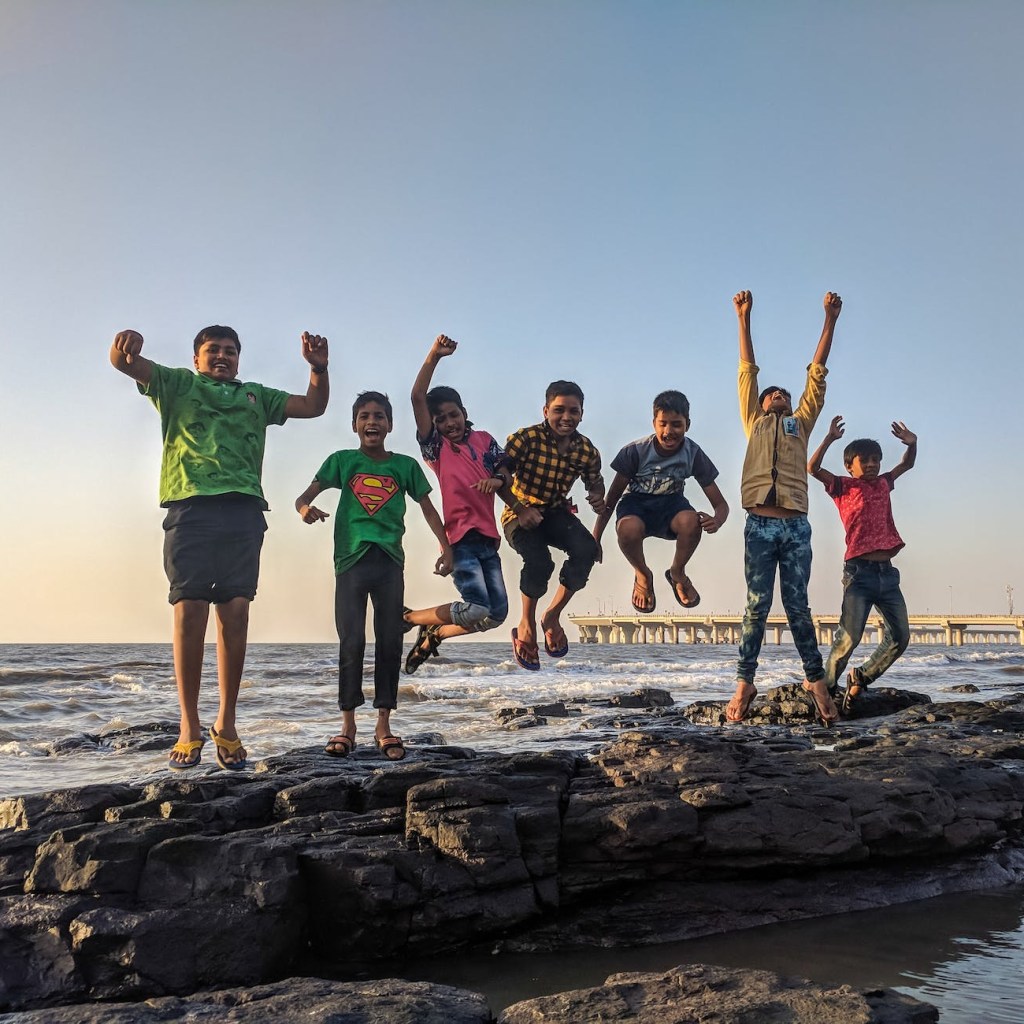
Letting Go of Perfection In the early days, I tried to check off every box, follow every curriculum to the letter, and ensure my kids were “on track.” But the reality is, homeschooling is not about perfection—it’s about progress. I learned to embrace flexibility, knowing that some days would be more structured and others would be led by curiosity. If a math lesson turned into a hands-on baking session or a science lesson extended into a week-long nature study, that was okay.
Prioritizing Rest and Downtime One of the biggest lessons I learned was that constant busyness does not equal productivity. Just like in traditional schools, kids (and parents) need breaks. We started incorporating “quiet time” into our routine—whether it was reading, independent play, or a walk outside. This allowed everyone to reset and come back to lessons with fresh energy.
Creating a Routine That Works for Us At first, I thought I had to replicate a traditional school schedule at home. That led to exhaustion and frustration. Over time, I found that a simple, predictable rhythm worked best for our family. We structured our days with core learning blocks in the morning and more relaxed, interest-led learning in the afternoon. Some days, we needed more time for certain subjects, and other days, we finished early to go explore. If you’re looking for inspiration, here are some example homeschool schedules that might help you find the best fit for your family.
Finding a Support System Homeschooling can feel isolating at times, but I found that connecting with other homeschooling families made all the difference. Whether it was joining a co-op, attending local homeschool events, or simply chatting with other parents online, having a community helped lighten the load. Sharing resources, encouragement, and even just venting about the hard days made me feel less alone.
Giving Myself Grace Perhaps the most important lesson I’ve learned is to give myself grace. Not every day will go as planned. Some lessons won’t stick right away. Some days will feel chaotic. But my children are learning, growing, and thriving—and so am I. Instead of focusing on what didn’t get done, I choose to celebrate the small victories.
Conclusion: Homeschooling is a journey—one that requires patience, flexibility, and self-care. By embracing balance, allowing for rest, and connecting with a supportive community, we can create a homeschool experience that is sustainable and fulfilling. If you’re struggling with burnout, know that you are not alone. Take a deep breath, make small adjustments, and give yourself permission to enjoy the ride.
Call to Action: How do you find balance in your homeschooling journey? Share your thoughts and tips in the comments below!

Leave a comment