As an educator, I’ve spent my career telling families that education matters.
As a mom, I learned that sometimes surviving matters first.
Those two truths can exist at the same time.
For years, getting my son to school felt like running a marathon before 8:00 a.m. Every morning was a battle. Some days I honestly don’t know how we made it out the door. Other days, we didn’t. The absences piled up, and so did the guilt.
When he was eight, our family went through a divorce. Like so many parents, I was trying to hold everything together while quietly falling apart myself. School became even harder for him, and I kept telling myself that if I just found the right consequence, the right reward, or the right conversation, things would finally click.
They didn’t.
Then the pandemic happened.
Most people remember that time as one of isolation and uncertainty. For us, something unexpected happened. My son was in seventh grade, and for the first time in years, the daily fight over going to school disappeared. He was learning from home, and somehow…he was calmer.
I stopped getting phone calls from school.
I stopped hearing about classroom disruptions.
I stopped wondering what happened that day.
At the time, I worked in the very same school district. That’s a hard place to be. Whether anyone says it out loud or not, there’s this unspoken expectation that educators’ children should be the model students. After all, shouldn’t teachers know how to raise kids who value education?
I believed that too.
So every phone call felt personal.
Every absence felt like failure.
Every difficult day made me question not only my parenting but also my career.
What I didn’t understand then was that there was something much bigger happening beneath the surface.
Over the years came more challenges. Car accidents. Watching my son walk away from a job he genuinely loved because he became convinced people were looking at him or judging him. Trying recreational drugs in an attempt to quiet the social anxiety that had become overwhelming—only to have that anxiety come back a hundred times stronger.
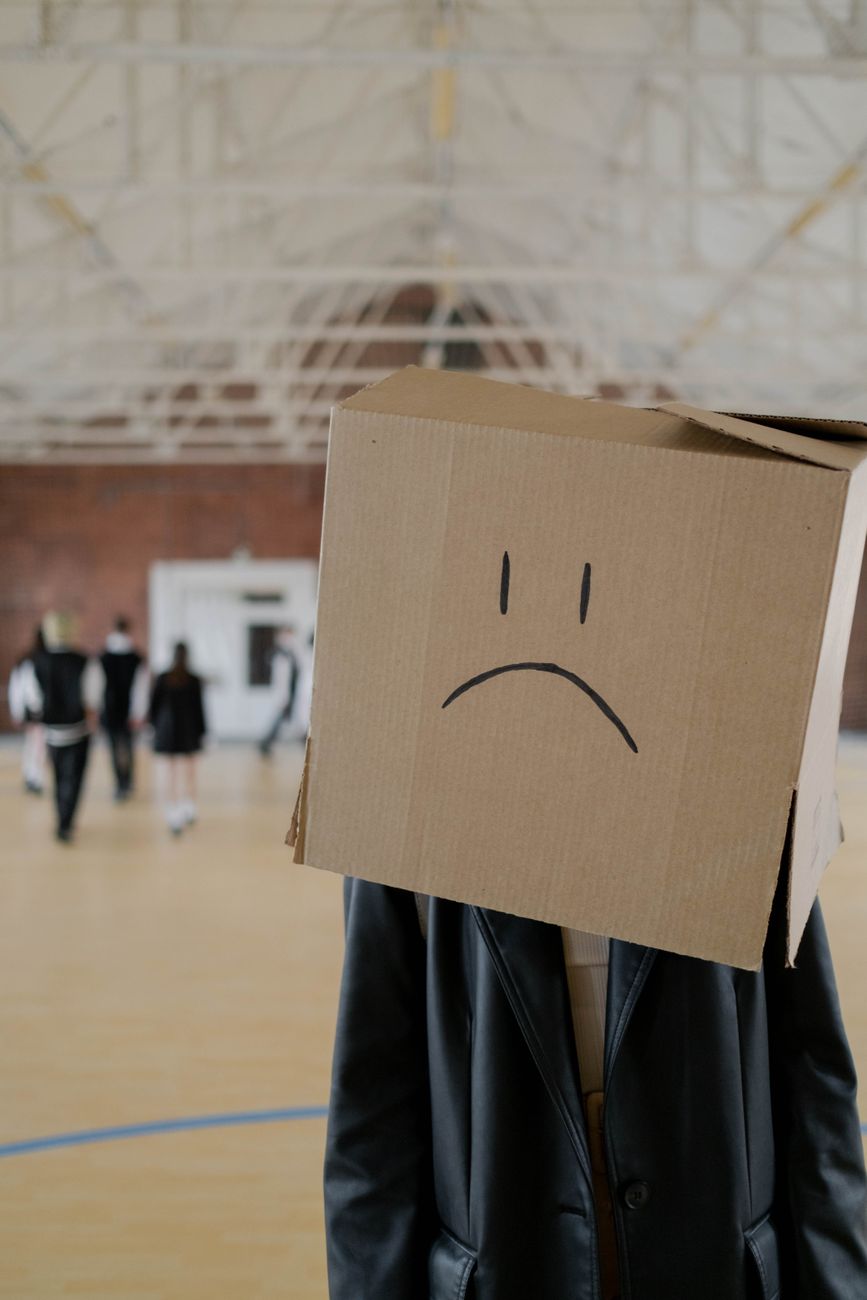
None of those things showed up on a report card.
None of them fit neatly into an attendance report.
Yet they affected his education far more than any homework assignment ever could.
This is the gray area of education.
It’s the part we don’t talk about enough.
As an administrator, I met students like my son every year. I worked hard to build relationships with them. I connected families with counselors, mental health resources, alternative programs, and support systems. I believed deeply that every student deserved someone who would keep trying.
But somehow, I couldn’t figure out how to help the one sitting at my own dinner table.
That realization was heartbreaking.
Mental health doesn’t always look like sadness.
Sometimes it looks like school refusal.
Sometimes it looks like anger.
Sometimes it looks like exhaustion, avoidance, or a student who just can’t walk through the front doors.
And here’s what I’ve learned:
Education doesn’t have to look traditional to be meaningful.
Some students need a different pace.
Some need smaller environments.
Some need therapy before algebra.
Some need to rebuild confidence before they can focus on grades.
That doesn’t mean they’ve given up.
It doesn’t mean they’ve failed.
It means we’re asking them to climb a mountain while wondering why they’re not keeping up with everyone walking on level ground.
As parents, we often carry so much guilt. We wonder what we missed. We replay every decision we’ve ever made. We compare ourselves to families whose children seem to move through school effortlessly.
I’ve done all of that.
But I’ve also learned that meeting our children where they are isn’t lowering expectations.
It’s changing the path.
Sometimes the bravest thing we can do is stop asking, “Why can’t my child fit into this system?” and start asking, “How can we build a system that fits my child?”
I’m still learning.
I’m still a mom trying to figure it out.
I’m still an educator who believes deeply in the power of school.
But now I also believe that mental health and education are inseparable.
When we care for one, we give the other a chance to grow.
And if you’re reading this while wondering whether you’re failing your child because school is hard right now…
I hope you know you’re not alone.
I’ve been there too.

That doesn’t mean the journey is easy.
Finding the right fit for your child can take time, and sometimes you’ll try things that simply don’t work. That’s okay. Every child is different, and every family’s path will look a little different too.
One of the biggest lessons I’ve learned—both as a parent and as a school administrator—is that traditional school isn’t the only path to a quality education.
For some students, a charter school with smaller class sizes or more flexibility can make all the difference. Others may benefit from independent study for a period of time while they focus on their mental health and build confidence. Sometimes a temporary change is exactly what a student needs before returning to a traditional classroom.
Don’t be afraid to ask questions.
Talk with your child’s school counselor. Ask what mental health supports are available on campus. Many schools partner with outside agencies, offer counseling services, have wellness centers, or can connect families with community resources. Sometimes those supports exist, but parents don’t realize they’re available until they ask.
If your child is struggling with anxiety, depression, or another mental health challenge, don’t wait until it becomes a crisis. Reach out to your pediatrician, a licensed therapist, or your school team. There are also reputable online therapy platforms and mental health resources that can make getting help more accessible, especially if transportation or scheduling is difficult.
And remember, education isn’t a race.
If your child needs to slow down, take a different route, or learn in a different environment for a while, that doesn’t mean they’re falling behind. It means you’re giving them the opportunity to heal while continuing to learn.
As educators, we sometimes measure success by attendance, grades, and graduation rates.
As parents, we often measure success by simply getting our child through another difficult day.
The truth is, both matter.
My hope is that we continue building schools where mental health isn’t treated as an obstacle to education but as an essential part of it. Because when we support the whole child, learning has a chance to follow.
If you’re in the middle of this journey, please don’t give up. Keep asking questions. Keep advocating. Keep looking for the environment where your child can thrive instead of just survive.
Sometimes the right school isn’t the school down the street.
Sometimes the right path isn’t the one you expected.
And sometimes, changing the path changes everything.

Leave a Reply